Cataracts are one of the most common reasons people notice their eyesight slowly getting worse as they get older. The good news is that cataract surgery is also one of the most successful and frequently performed operations in modern medicine. If you live in Hampshire and have been told you have a cataract, this guide walks you through what really happens, step by step, so that you can make a calm and informed decision about your eyes.
For many patients, the hardest part is the uncertainty beforehand. This article answers the common questions in plain English and links to our other guides when you want to go deeper.
What is a cataract?
Inside your eye, just behind the coloured iris, sits a natural lens. When you are young this lens is crystal clear and flexible, focusing light sharply onto the retina at the back of the eye. Over time the proteins inside the lens slowly change and clump together, making it cloudy. That cloudiness is called a cataract.
A cataract is not a growth or a film over the eye, and it cannot be removed with drops or lasers alone. It develops gradually, which is why many people adapt without realising how much their vision has changed. If you are unsure whether your symptoms fit, our guide to the early signs of cataracts explains the warning signs in detail, including glare from headlights and colours that look washed out.
When is the right time for surgery?
There is no fixed "ripeness" a cataract has to reach before it can be treated. Modern surgery is usually recommended when the cataract starts to affect everyday life: reading, driving, watching television, recognising faces or enjoying hobbies. Some people also need surgery to meet the legal eyesight standard for driving.
A useful question to ask yourself is simple: is my vision stopping me from doing the things I want to do safely and comfortably? If the answer is yes, it is worth booking an assessment.
Choosing a specialist for cataract surgery in Winchester
Who performs your operation matters. Look for a surgeon who carries out cataract surgery regularly, who is happy to explain your options clearly and who will see you personally before and after the procedure. For patients considering Cataract Surgery in Winchester, it is reassuring to be treated close to home, with short travel times for each appointment and easy access to follow-up care.
An experienced Consultant Ophthalmologist will look at the whole eye rather than the cataract alone. Conditions such as glaucoma, macular degeneration, diabetic eye disease or dry eye can all influence the result, and they should be identified and discussed before you agree to surgery.
Questions worth asking at your first appointment include:
- How many cataract operations do you perform each year?
- Which lens implant do you recommend for my eyes and lifestyle, and why?
- Will I need glasses afterwards, and for which activities?
- What are the specific risks for my eyes?
- Who do I contact if I have a concern after the operation?
Your first consultation
The initial consultation is usually the longest appointment of the whole process. It typically includes a vision test, a pressure check, dilating drops so that the back of the eye can be examined, and a detailed conversation about your symptoms, general health and medication.
You will also have biometry, a set of painless measurements of the length and curvature of your eye. These figures are used to calculate the power of the artificial lens that will replace your cloudy natural lens. Accurate measurements are one of the most important factors in achieving sharp vision after surgery.
This is also the time to talk about lens choices. Most people receive a monofocal lens set for clear distance vision, but there are other options, including lenses that correct astigmatism or reduce dependence on reading glasses. Our in-depth article on choosing the right lens implant compares monofocal, multifocal and toric lenses so that you can arrive at your consultation with good questions.
Because the drops used to dilate your pupils blur your vision for a few hours, it is wise to bring someone with you and not to drive home.
Preparing for the day of surgery
In the days before your operation you will normally be given clear written instructions. Common advice includes:
- Continue your usual medicines unless you are told otherwise, and bring a list of them with you.
- Let the team know if you take blood thinners, tamsulosin or similar medicines for the prostate, as these can affect the surgery.
- Eat a light meal beforehand unless you have been advised to fast.
- Avoid wearing eye make-up or face cream on the day.
- Arrange for someone to take you home, as you will not be able to drive.
What happens during the operation?
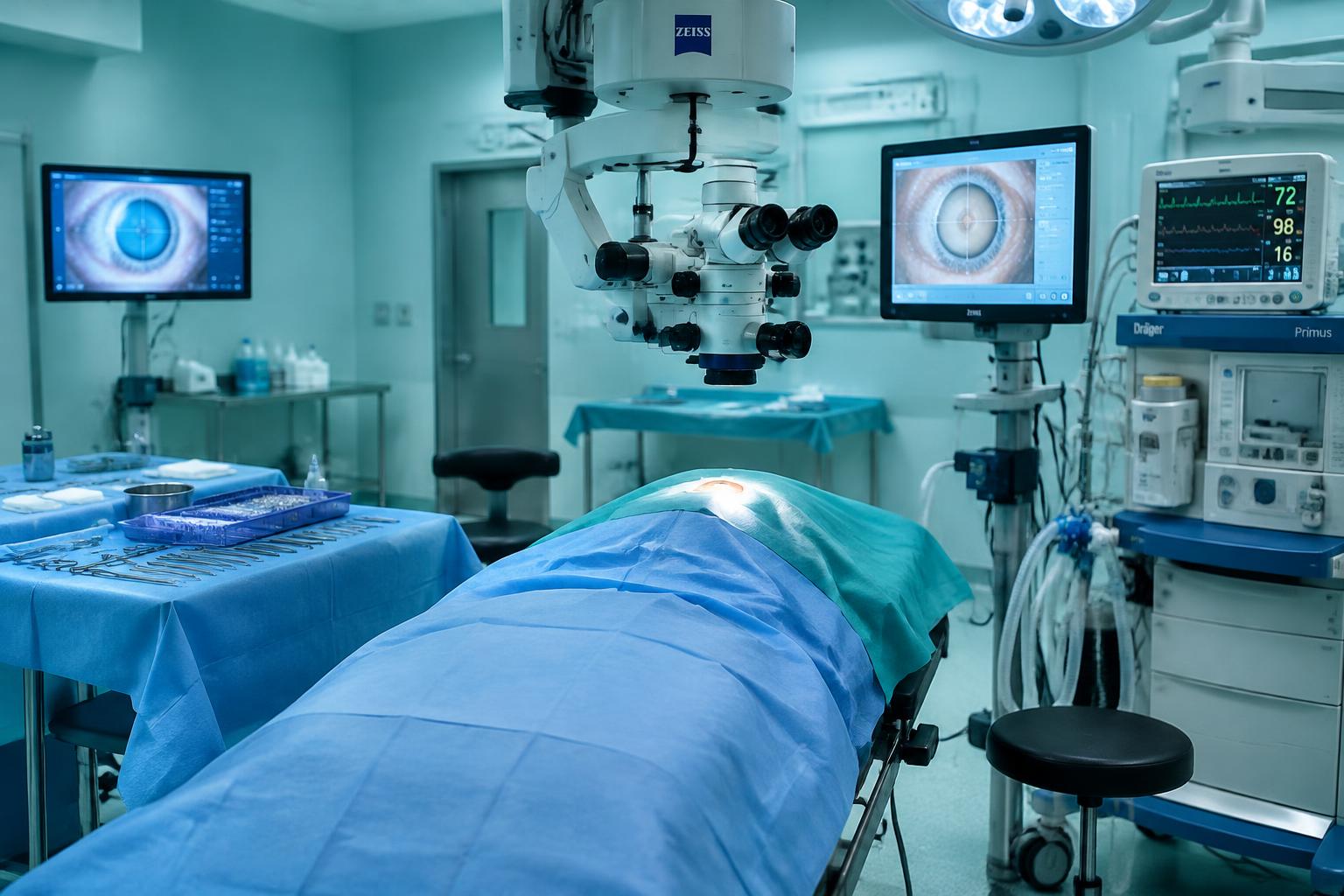
Most cataract operations are performed as a day case using local anaesthetic. In many cases the eye is numbed with drops alone, sometimes with a small additional injection around the eye. You stay awake but comfortable, and you will not see the instruments.
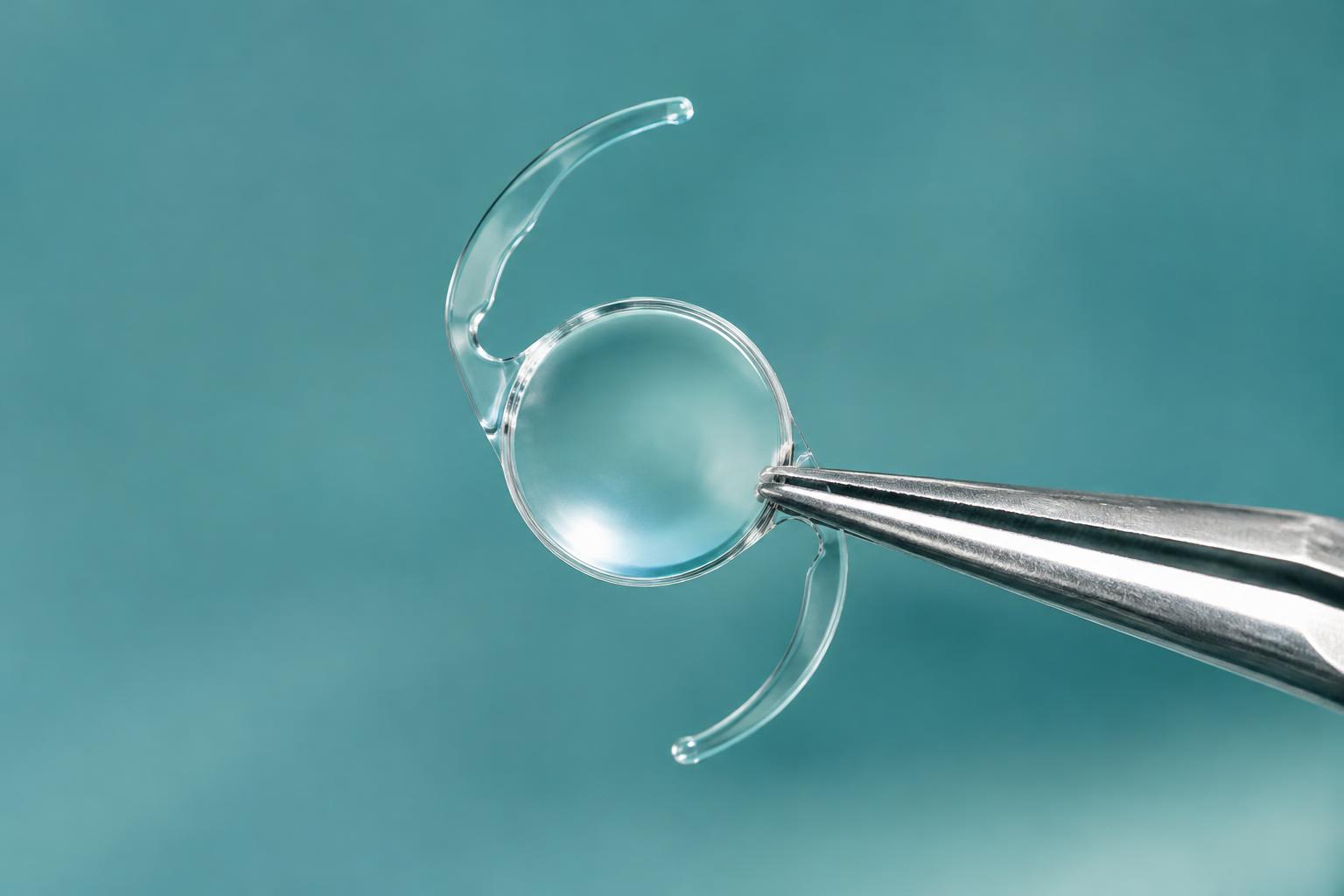
The most common technique is called phacoemulsification. Through a tiny incision of around two to three millimetres, the surgeon uses an ultrasound probe to break the cloudy lens into small pieces and gently remove them. A folded artificial lens, called an intraocular lens or IOL, is then inserted into the same natural capsule where your old lens used to sit. The lens unfolds and settles into position.
The incision is usually so small that it seals itself without stitches. The operation itself commonly takes between fifteen and thirty minutes, although you should expect to spend a few hours at the hospital in total, including preparation and a short recovery period.
Most patients describe the experience as far easier than they expected: some light pressure, bright lights and a calm voice talking them through each step.
Straight after surgery
Once the operation is finished, a protective shield is placed over the eye. After a short rest and a final check, you can go home. Vision is often blurry or hazy on the first day, which is completely normal. Many people notice brighter colours and clearer sight within a day or two, though full recovery takes a few weeks.
You will be given eye drops, usually an antibiotic and an anti-inflammatory, to use for several weeks. Using them exactly as prescribed is one of the simplest ways to protect your result. For a detailed, practical breakdown of the first month, read our week-by-week recovery guide, which covers showering, exercise, screen time, driving and when to get new glasses.
Understanding the risks
Cataract surgery has a very high success rate. As with any operation, however, there are risks, and a good surgeon will discuss them openly. These include:
- Inflammation or raised eye pressure, which usually settles with drops.
- Posterior capsule opacification, a clouding of the lens capsule months or years later, which is treated quickly with a painless laser.
- Swelling at the back of the eye, known as cystoid macular oedema.
- Rare but serious complications such as infection inside the eye or retinal detachment.
If you notice increasing pain, worsening vision, or a red eye that is getting worse rather than better in the days after surgery, contact your surgical team urgently. Early treatment makes a real difference.
Life after cataract surgery
For most people, cataract surgery brings back the simple pleasures of clear sight: reading without straining, driving at night with less glare and seeing true colours again. If you have cataracts in both eyes, the second eye is often treated a few weeks after the first, once the first eye has settled.
Surgery replaces the cloudy lens permanently, so the cataract cannot grow back. Your eyes still need care, though. Regular eye tests remain important for picking up other age-related conditions early. Our article on protecting your eye health as you age shares practical habits, from UV protection to diet and screen breaks, that help keep your vision strong for years to come.
Frequently asked questions
Does cataract surgery hurt?
The eye is numbed before the operation begins, so most patients feel only light pressure. Afterwards the eye may feel gritty or scratchy for a few days, which usually responds to simple pain relief and lubricating drops.
Will I still need glasses?
It depends on the lens you choose. With a standard monofocal lens, most people see well in the distance but still need glasses for reading. Premium lenses can reduce dependence on glasses, though they are not suitable for everyone.
The bottom line
Cataract surgery is a safe, quick and highly effective way to restore clear vision. The key steps are an honest assessment, careful measurements, the right lens for your lifestyle and diligent aftercare. If cloudy vision is holding you back, speaking with a specialist is the first step towards seeing the world clearly again.