Cataracts rarely announce themselves overnight. They tend to creep in over months or years, and because the change is so gradual, many people simply adjust. They turn on more lights, hold the newspaper a little further away, or quietly stop driving after dark. Recognising the early signs means you can get the right advice sooner and plan treatment at a time that suits you, rather than waiting until everyday tasks become a struggle.
In this guide we look at the most common symptoms of cataracts, who is most at risk, how a cataract is diagnosed and the point at which it makes sense to see a specialist.
What exactly is happening inside the eye?
Your eye contains a natural lens that focuses light onto the retina. In youth it is clear and flexible. With age, the proteins that make up the lens gradually break down and clump together, scattering light instead of focusing it cleanly. The result is vision that feels foggy, dim or "dirty", as if you are always looking through a smudged window.
There are three main types of age-related cataract, and each tends to cause slightly different symptoms:
- Nuclear cataracts form in the centre of the lens. They often cause a yellow or brown tint and can initially make distance vision worse while reading temporarily improves.
- Cortical cataracts start at the edges of the lens and work inwards like spokes on a wheel. They commonly cause glare and problems with contrast.
- Posterior subcapsular cataracts develop at the back of the lens. They can progress faster and often affect reading and vision in bright light.
The most common early signs
Blurred or cloudy vision
The classic symptom is vision that looks misty or slightly out of focus, even with your usual glasses. Many people describe it as looking through frosted glass or a fine veil. It may affect one eye more than the other.
Glare and halos around lights
Bright sunlight, car headlights and street lamps may suddenly feel dazzling. You might notice halos or starbursts around lights at night. This happens because the cloudy lens scatters incoming light, and it is one of the main reasons people with cataracts start to avoid night driving.
Colours looking faded or yellowed
As a cataract matures, the lens can take on a yellow or brown tint. Whites look cream, blues and purples look dull, and the world generally seems less vibrant. Many patients only realise how much their colour vision had changed after surgery, when they see bright, true colours again.
Needing more light to read
If you find yourself reaching for a brighter lamp or moving to the window to read labels, a cataract could be reducing the amount of light reaching your retina.
Frequent changes in glasses prescription
A developing cataract can alter the focusing power of the eye. If your optician has updated your prescription several times in a short period and the new glasses never seem quite right, it is worth asking whether a cataract is the cause.
"Second sight"
Some people with nuclear cataracts find that they can suddenly read without their reading glasses. This so-called second sight is caused by the lens becoming more powerful as it hardens, and unfortunately it is usually temporary as the cataract continues to develop.
Double vision in one eye
Occasionally a cataract causes ghosting or double images when you look through one eye alone. This is different from double vision caused by the eyes not working together, and it should always be checked.
Who is most at risk?
Age is by far the biggest factor, and most people over the age of 65 have some degree of lens change. However, several other things can make cataracts develop earlier or faster:
- Diabetes, particularly if blood sugar is poorly controlled.
- Smoking, which is strongly linked to cataract formation.
- Long-term exposure to sunlight without UV protection.
- Prolonged use of steroid medicines, including tablets and some inhalers or eye drops.
- Previous eye injury, inflammation or eye surgery.
- A family history of cataracts.
- Heavy alcohol consumption.
Some of these factors, such as smoking and UV exposure, are within your control. Our article on protecting your eye health as you age explains simple daily habits that may help slow down lens changes and protect the rest of the eye too.
How is a cataract diagnosed?
A cataract is usually first spotted by an optometrist during a routine eye test. They look into the eye with a special microscope called a slit lamp, which shows the clarity of the lens. If a cataract is affecting your vision, you can be referred to an eye specialist for a fuller assessment.
At a specialist appointment you can expect:
- A vision check with and without your glasses.
- Measurement of the pressure inside the eye.
- Dilating drops so the lens and retina can be examined in detail.
- Scans of the retina and, if surgery is being considered, precise measurements of the eye.
The specialist will also look for other conditions that can cause similar symptoms, such as macular degeneration, glaucoma or diabetic eye disease. It is important to know exactly what is affecting your sight, because the treatment for each condition is very different.
When should you see a specialist?
There is no need to panic at the first sign of a cataract. In the early stages, stronger glasses, better lighting and anti-glare lenses can help. You should, however, consider a specialist assessment if:
- Your vision is affecting your ability to read, work, cook or enjoy hobbies.
- You feel unsafe driving, especially at night or in rain.
- You have been told you may no longer meet the legal eyesight standard for driving.
- New glasses no longer give you clear vision.
- You have had a fall or a near miss because you could not see clearly.
The right time for cataract surgery is not when the cataract is "ripe", but when it begins to limit the life you want to live.
If you would like to understand what the treatment itself involves, our complete patient guide to cataract surgery in Winchester walks through the consultation, the day of the operation and the aftercare in detail.
Symptoms that need urgent attention
Cataracts develop slowly and are not an emergency. Some symptoms, however, are not typical of cataracts and need same-day advice from an eye casualty service or your GP:
- Sudden loss of vision in one or both eyes.
- A painful red eye.
- A shower of new floaters, flashing lights or a shadow spreading across your vision.
- Sudden double vision, or vision changes with headache, weakness or confusion.
What happens if you decide on treatment?
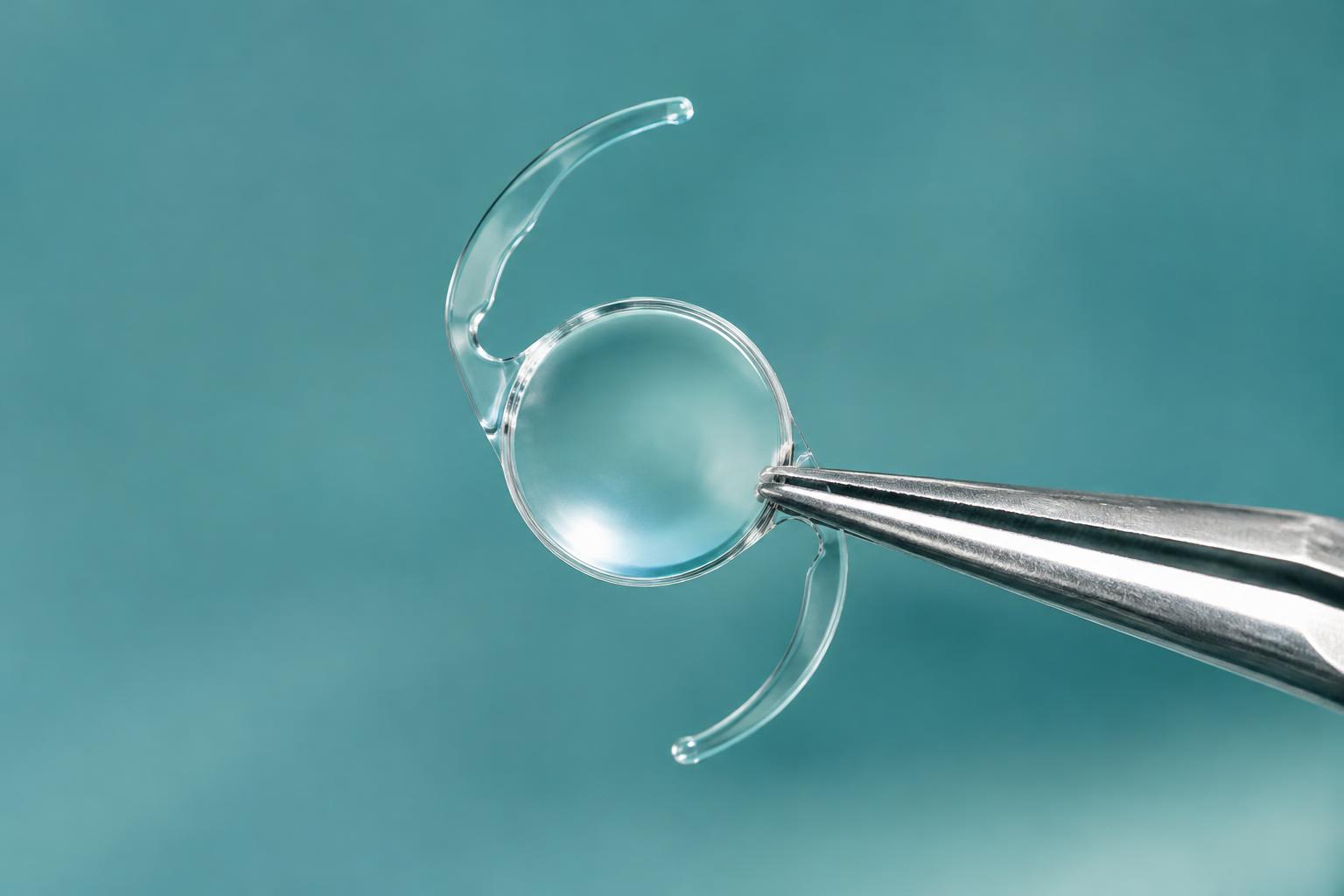
At present there is no medicine or eye drop that can reverse a cataract. Once it starts to interfere with daily life, the only effective treatment is surgery to remove the cloudy lens and replace it with a clear artificial one. The operation is usually performed under local anaesthetic and takes around twenty minutes.
One of the most important decisions is which artificial lens to choose. Some lenses give sharp distance vision with reading glasses for close work, while others aim to reduce your need for glasses altogether or correct astigmatism. Our guide to choosing the right lens implant explains the options clearly.
Recovery is usually quick, with many people noticing an improvement within days. You can find practical tips on drops, rest and returning to normal activities in our week-by-week recovery guide.
Living well with early cataracts
If your cataract is mild and you are not ready for surgery yet, there is plenty you can do to stay comfortable and safe:
- Keep your glasses prescription up to date.
- Use brighter, well-positioned lighting at home, especially on stairs.
- Choose anti-reflective coatings and wear a brimmed hat and sunglasses outdoors.
- Use a magnifier for small print and large-print settings on your phone.
- Avoid night driving if glare is a problem.
- Book regular eye tests so changes are monitored.
The bottom line
Cloudy vision, glare, faded colours and frequent prescription changes are all common early signs of cataracts. None of them should be ignored, but none of them need cause alarm either. A thorough eye examination will confirm what is going on and help you decide, together with your specialist, when treatment makes sense for you.