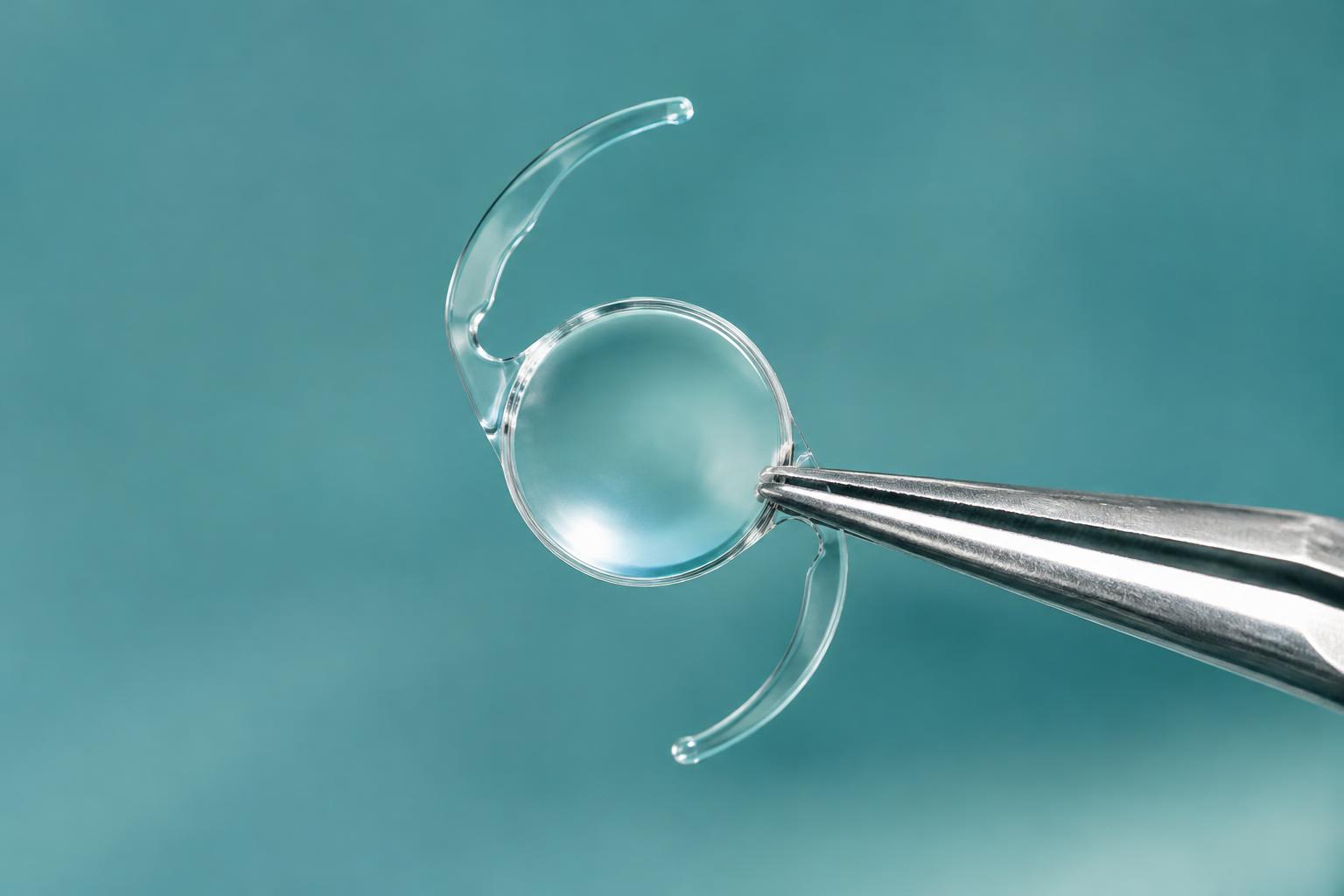
Our eyes work hard every waking minute, and like the rest of the body they change as we get older. Reading glasses become necessary, night vision dims a little, and the risk of conditions such as cataracts, glaucoma, macular degeneration and diabetic eye disease rises. Some of these changes are an unavoidable part of ageing, but many of the factors that affect eye health are within your control.
This article brings together ten practical habits, backed by mainstream medical advice, that help protect your vision for the long term. None of them are complicated, and most also benefit your heart, brain and general wellbeing.
Why eyes change with age
From the mid-forties, the natural lens inside the eye becomes less flexible, which is why close focusing gets harder. Over the following decades, the lens can gradually cloud to form a cataract. Meanwhile, the retina at the back of the eye, and especially the macula responsible for detailed central vision, becomes more vulnerable to damage. The optic nerve can also be affected by glaucoma, often without any early symptoms.
Because many eye conditions develop silently, prevention and early detection go hand in hand. If you would like to know which symptoms suggest a cataract specifically, read our guide to the early signs of cataracts.
1. Have regular eye tests
A sight test is about far more than updating your glasses. During an examination, an optometrist checks the health of the lens, retina and optic nerve and can pick up conditions long before you notice any change in vision.
- Most adults should have an eye test at least every two years, or more often if advised.
- In England, NHS sight tests are free for people aged 60 and over, and for some other groups, including people with diabetes or glaucoma and those with a family history of glaucoma.
- If you have diabetes, attend your diabetic eye screening appointments as well as routine eye tests.
2. Wear sunglasses with proper UV protection
Long-term exposure to ultraviolet light is linked to cataracts and other eye problems. Sunglasses do not need to be expensive, but they should block UV effectively.
- Look for the CE or UKCA mark and a label such as "UV400" or "100% UV protection".
- Choose wraparound styles or larger frames to reduce light entering from the sides.
- Add a wide-brimmed hat on bright days.
- Remember that UV is present on cloudy days, and reflections from water, sand and snow increase exposure.
3. Stop smoking
Smoking is one of the strongest modifiable risk factors for both cataracts and age-related macular degeneration. Toxic chemicals in tobacco smoke damage the delicate tissues of the eye and reduce blood flow to the retina. Stopping at any age reduces your risk, and free NHS stop smoking support can make quitting much easier.
4. Eat for your eyes
A balanced diet rich in fruit, vegetables and oily fish supports eye health. Certain nutrients are particularly important:
- Lutein and zeaxanthin, found in kale, spinach, broccoli, peas and egg yolks, accumulate in the macula and may help protect it.
- Omega-3 fatty acids, found in salmon, mackerel, sardines and walnuts, support the retina and may help with dry eye.
- Vitamins C and E and zinc, found in citrus fruits, peppers, nuts, seeds and whole grains, act as antioxidants.
For people with certain stages of macular degeneration, a specialist may recommend a specific supplement formula. Always speak to your eye doctor or GP before starting supplements, especially if you smoke or take other medication.
5. Keep blood sugar and blood pressure in check
Diabetes can damage the small blood vessels of the retina and accelerate cataract formation. High blood pressure and high cholesterol can also affect the blood supply to the eye. Regular check-ups with your GP, taking prescribed medication and maintaining a healthy weight all protect your eyes as well as your heart.
6. Stay active
Regular physical activity improves circulation, helps control blood sugar and blood pressure, and is associated with a lower risk of several eye conditions. Brisk walking, swimming, cycling, gardening and dancing all count. Aim for around 150 minutes of moderate activity a week, building up gradually if you are not used to exercise.
7. Give your eyes screen breaks
Screens do not cause permanent eye damage, but long periods of close focusing can lead to tired, dry and uncomfortable eyes. Try the 20-20-20 rule: every 20 minutes, look at something about 20 feet away for at least 20 seconds. Blink fully, keep the screen slightly below eye level, and make sure the room is well lit to reduce glare.
8. Look after dry eyes
Dry eye becomes more common with age, particularly in women after the menopause. Symptoms include grittiness, burning, watering and blurred vision that clears with blinking.
- Use preservative-free lubricating drops as needed.
- Apply a warm compress to the eyelids and gently clean the lid margins.
- Reduce exposure to direct heating, air conditioning and fans.
- Drink plenty of water throughout the day.
Treating dry eye properly is especially important before cataract surgery, because a healthy eye surface helps achieve accurate lens measurements. Our guide to choosing the right lens implant explains why dry eye can affect which lenses are suitable.
9. Make your home eye-friendly
As vision changes, good lighting becomes more important for both comfort and safety.
- Use bright, even lighting in hallways, kitchens and on stairs.
- Add task lights for reading and hobbies.
- Use contrasting colours on step edges and handrails.
- Keep floors clear of clutter to reduce the risk of falls.
- Use large-print settings on phones, tablets and e-readers.
10. Do not ignore changes in your vision
Perhaps the most important habit of all is acting promptly when something changes. Blurred vision, glare, faded colours or difficulty driving at night may point to a cataract, which is very treatable. If you are considering treatment, our complete patient guide to cataract surgery in Winchester explains what to expect at each stage.
Some symptoms need same-day attention, including:
- Sudden loss of vision.
- A painful red eye.
- New flashes, a shower of floaters or a shadow across your sight.
- Distorted or wavy straight lines in your central vision.
Small daily habits, repeated over years, are some of the most powerful tools you have for protecting your sight.
Eye health after cataract surgery
Cataract surgery replaces the cloudy lens permanently, but the rest of your eye still needs care. The habits above remain just as valuable after surgery. Wearing UV-protective sunglasses, attending regular eye tests and keeping your general health in good shape all help protect the retina and optic nerve.
If you or a loved one has recently had surgery, our week-by-week recovery guide covers the first few weeks in detail, from using eye drops to returning to driving and exercise.
A simple weekly eye-care routine
- Wear sunglasses whenever you are outdoors in daylight.
- Eat leafy greens and oily fish several times a week.
- Take regular breaks from screens and reading.
- Move your body for at least 30 minutes on most days.
- Check that your home lighting is bright and even.
- Note any changes in your vision and book an eye test if something feels different.
The bottom line
Ageing brings natural changes to the eyes, but you have more influence over your eye health than you might think. Regular eye tests, UV protection, a healthy diet, not smoking and good control of conditions such as diabetes all help keep your vision clear. And if a cataract does develop, modern treatment means it rarely has to stand between you and the things you love to do.